psychologyevents

Harmony at MethodsCon: Futures in Manchester

Harmony at MethodsCon: Futures in Manchester

MethodsCon in Manchester

We have attended MethodsCon: Futures in Manchester, run by the National Centre for Research Methods on 11 and 12 September 2024 to present Harmony, the NLP and AI tool we have been developing for researchers in social science, funded by Wellcome and the Economic and Social Research Council. The events took place at The Edwardian Manchester.

Methods Showcase – 11th September

The first event was a workshop on 11 September:

15:30-15:45 Spotlight 14: Harmony: a Natural Processing Approach to Data Discoverability and Harmonisation

See the full programme here

MethodsCon: Futures 12-13th September

We presented in the workshop: FDS 3 and Corpus-assisted discourse studies on 12 September, with events titled:

A.) Harmony: A natural language processing approach to data discovery and harmonisation.

B.) Corpus-assisted discourse studies: An introduction to a mixed methodology.
Related Posts

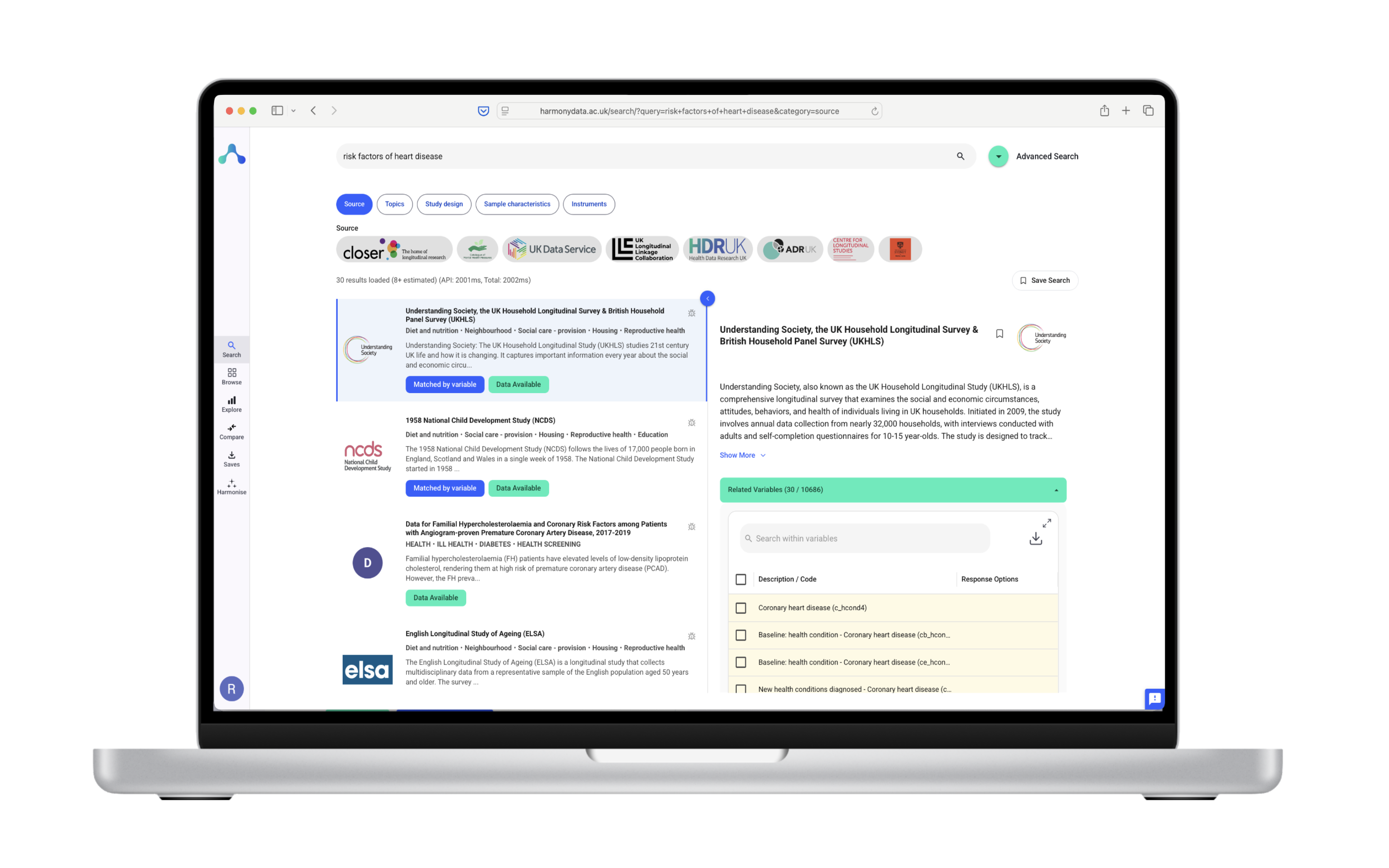
Introducing Harmony Meta: A Simpler Way to Discover Research Metadata

Introducing Harmony Meta: A Simpler Way to Discover Research Metadata

Introducing Harmony Meta: A Simpler Way to Discover Research Metadata Finding the right data is the foundation of good research, but it shouldn’t be the hardest part of the process. We are pleased to announce the beta release of Harmony Meta, a search tool built to help researchers find datasets and study information more efficiently. This first version is now live, and we are inviting the research community to test it and help us shape its future.
Improving Harmony's PDF extraction with user testing

Improving Harmony's PDF extraction with user testing

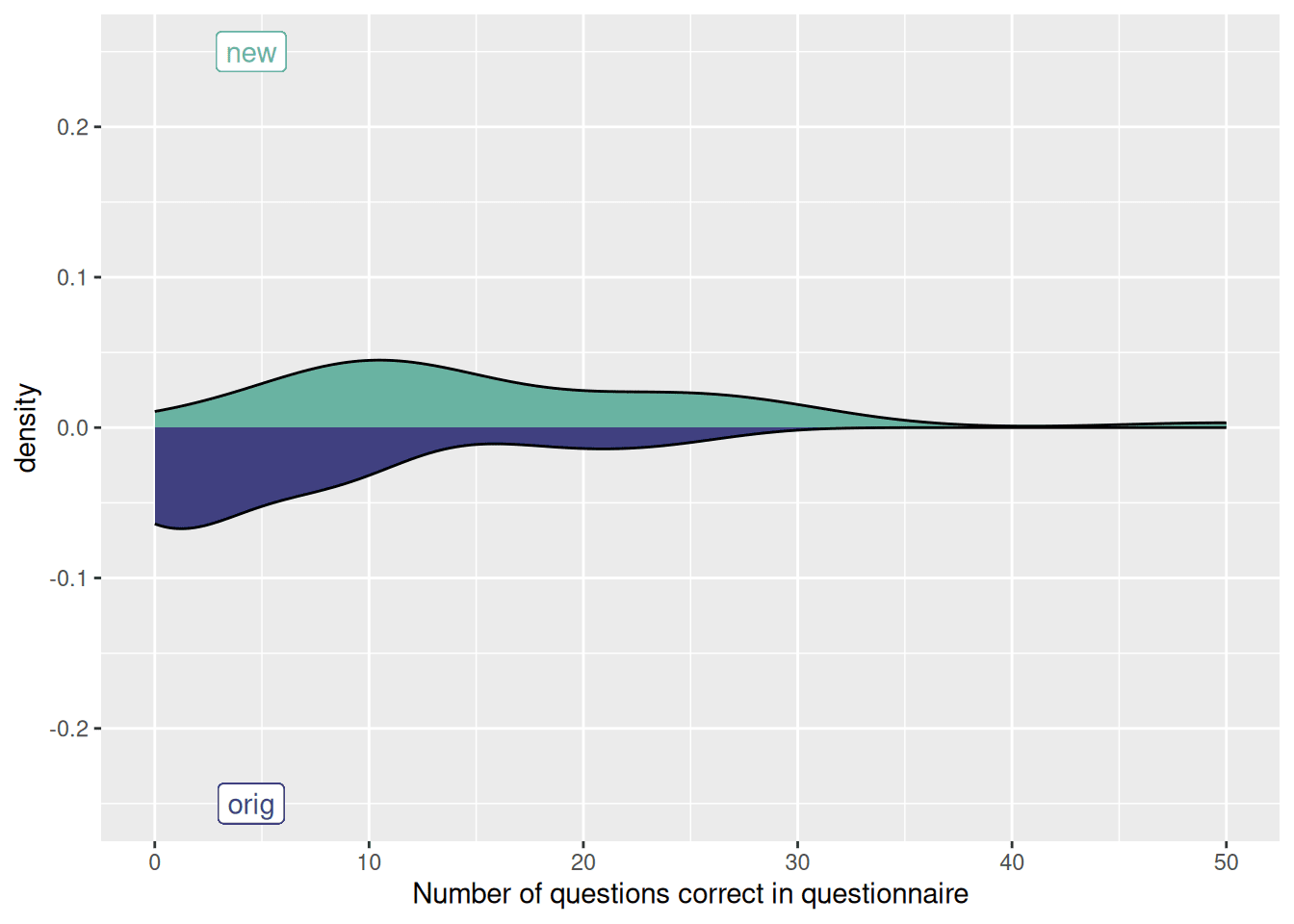
Since we built Harmony, a common complaint has been that it frequently identifies the wrong questions in PDFs. The original algorithm for finding questions in PDFs was a mixture of rule based heuristics and some hand coded logic to look for e.g. lines in the document which begin with numbers. This was very fragile and worked fine on short questionnaires such as the GAD-7, but failed on larger documents. We decided to run a competition with our partner DOXA AI where members of the public could train their own model to extract questions from PDFs.

Signup to our newsletter

The latest news on data harmonisation project.

Please select all the ways you would like to hear from Harmony project:

You can unsubscribe at any time by clicking the link in the footer of our emails. For information about our privacy practices, please visit our website. We use Mailchimp as our marketing platform. By clicking below to subscribe, you acknowledge that your information will be transferred to Mailchimp for processing. Learn more about Mailchimp's privacy practices.